


On August 28, 1963, Dr. Martin Luther King Jr. delivered his iconic "I Have a Dream" speech from the steps of the Lincoln Memorial during the March on Washington for Jobs and Freedom, creating one of the most powerful and enduring moments in American history. Standing before over 250,000 demonstrators from diverse backgrounds, King articulated a vision of racial equality and justice that would define the Civil Rights Movement and inspire generations of activists worldwide.
This historic gathering represented the largest demonstration for human rights in United States history to that point, transforming the national conversation about civil rights and putting unprecedented pressure on political leaders to address systemic racial injustice.
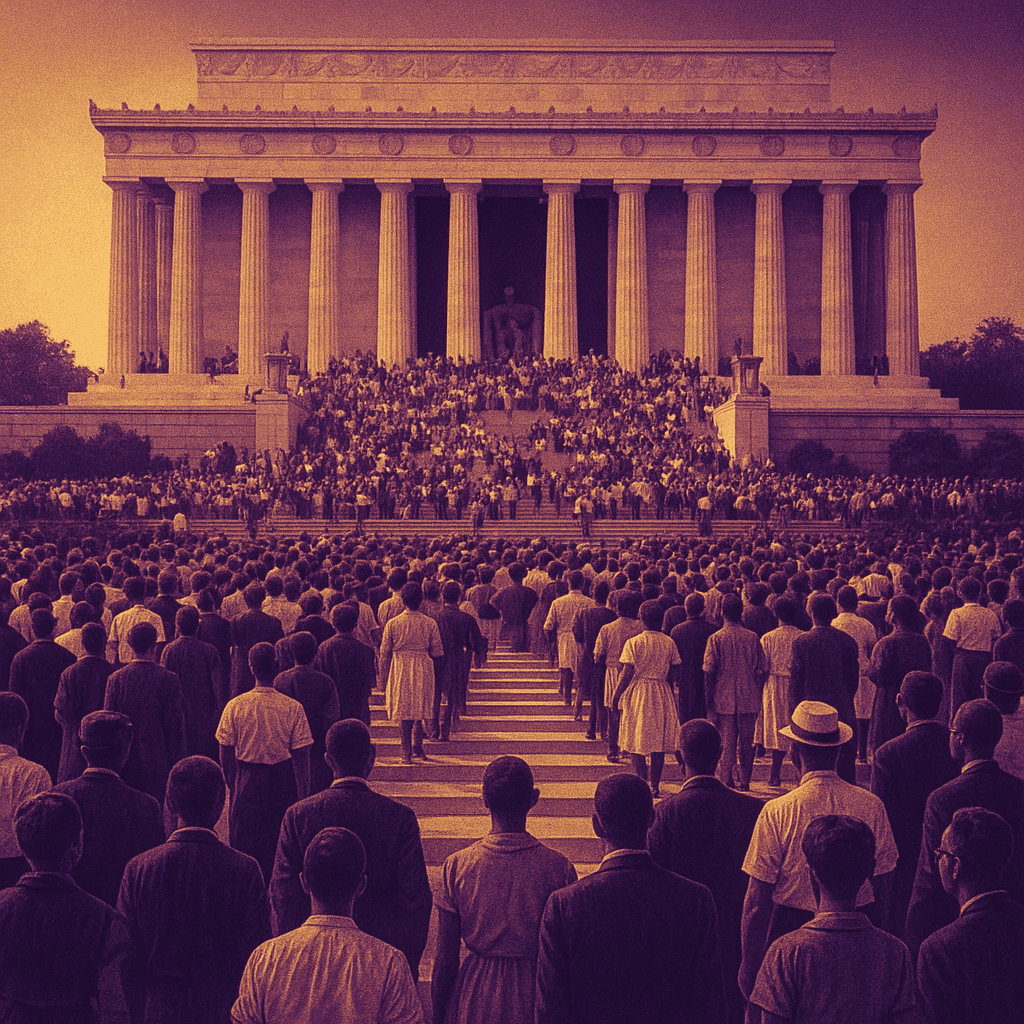
A Coalition for Justice and Economic Equality
The March on Washington emerged from the strategic vision of civil rights leaders who recognized that achieving meaningful change required both massive public demonstration and a unified message that connected racial justice with economic opportunity. Organized by a coalition including the NAACP, Southern Christian Leadership Conference, and labor unions, the march brought together Americans of all races and backgrounds in an unprecedented show of solidarity.
The event's official name—March on Washington for Jobs and Freedom—reflected the organizers' understanding that civil rights and economic justice were inseparable issues. Participants demanded not only an end to segregation and voting rights protections, but also fair employment practices, a higher minimum wage, and job training programs that would provide African Americans with genuine economic opportunities rather than merely legal equality on paper.
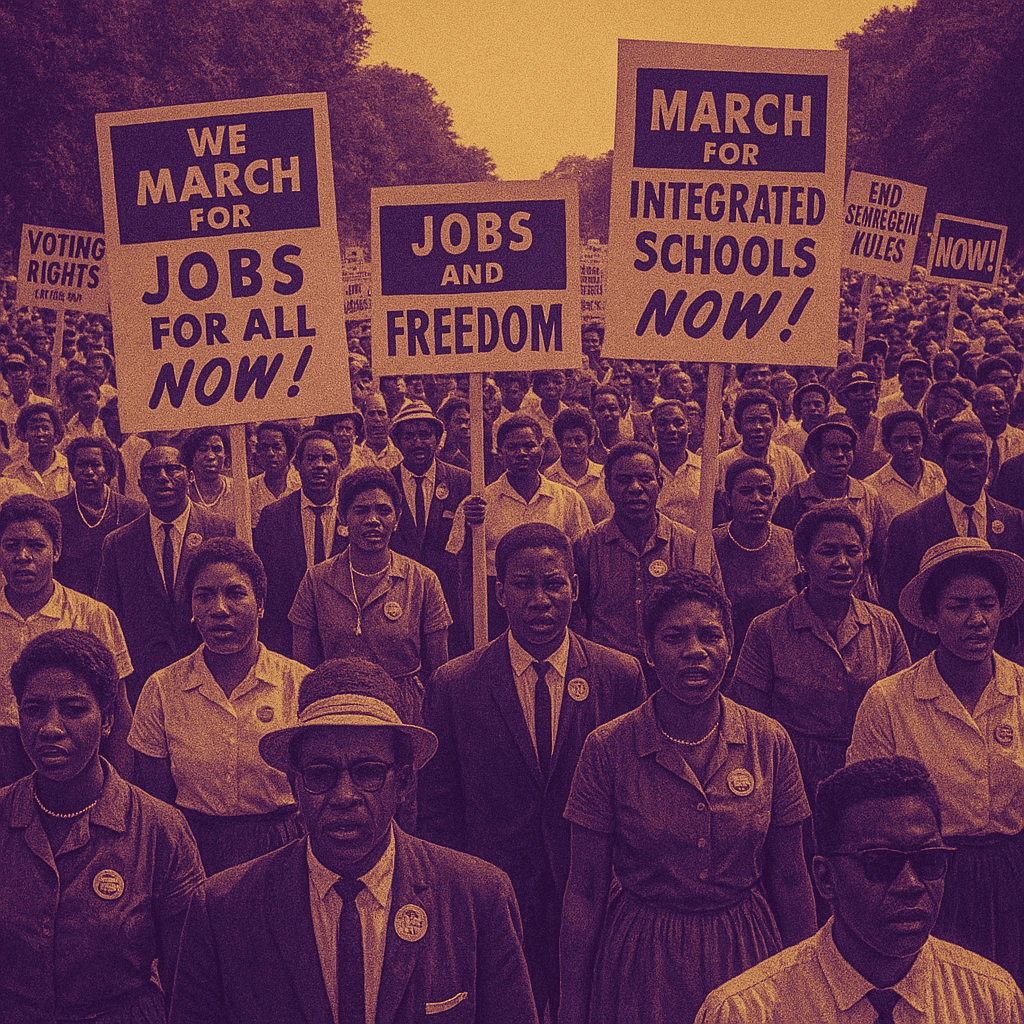
The Power of Moral Rhetoric
King's speech masterfully combined biblical imagery, constitutional principles, and the American dream narrative to create a moral framework that made opposition to civil rights appear fundamentally un-American. His repeated refrain of "I have a dream" transformed what began as a prepared text into an improvised masterpiece that spoke directly to the conscience of the nation, painting a vivid picture of an America where children would "not be judged by the color of their skin but by the content of their character."
The speech's genius lay in its ability to present civil rights not as a radical demand but as the fulfillment of America's founding promises. By invoking the Declaration of Independence and standing literally in the shadow of the Great Emancipator, King positioned the civil rights movement as the continuation of American ideals rather than a challenge to them, making it much harder for opponents to dismiss the movement as un-patriotic or extremist.
Catalyzing Legislative and Cultural Change
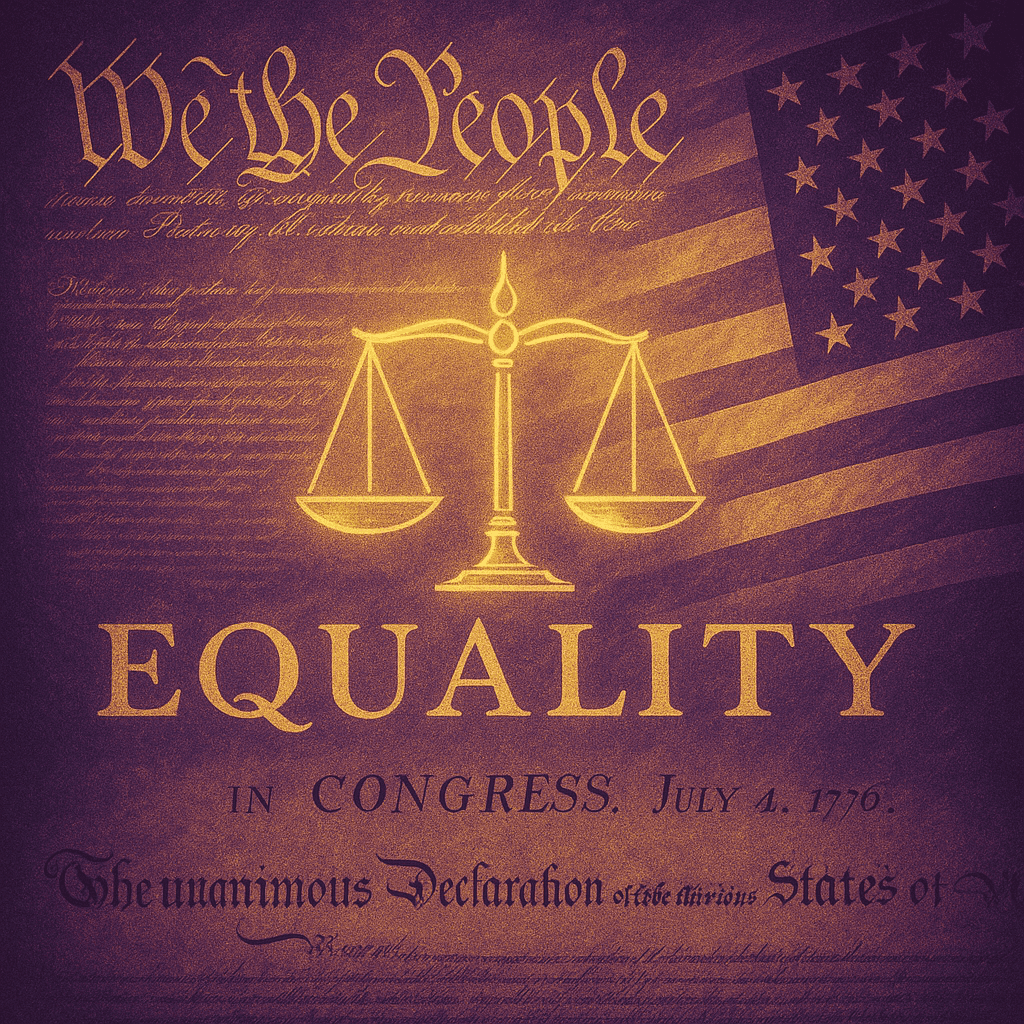
The March on Washington created the political momentum necessary for passage of the Civil Rights Act of 1964 and the Voting Rights Act of 1965, demonstrating to Congress and President Lyndon Johnson that civil rights had become a national priority that could no longer be ignored. The peaceful, dignified nature of the demonstration countered stereotypes about civil rights activists while the massive turnout proved that the movement had broad-based support across racial and regional lines.
Beyond its immediate political impact, King's speech became a cultural touchstone that continues to inspire social justice movements worldwide. The "I Have a Dream" refrain has been invoked by activists addressing issues from LGBTQ+ rights to immigration reform, proving the enduring power of King's vision of equality and justice. The speech remains one of the most quoted and studied pieces of American oratory, taught in schools as both a masterpiece of rhetoric and a defining moment when America confronted its failure to live up to its own stated ideals.