

December 1: Production, Protest, and the Draft
December 1 stands as a day of transformation—industrial, social, and political. From Henry Ford's moving assembly line to Rosa Parks' courageous stand for justice and the lottery that reshaped a generation, this date reflects humanity's constant struggle between progress, conscience, and consequence.
The Machine That Moved the World
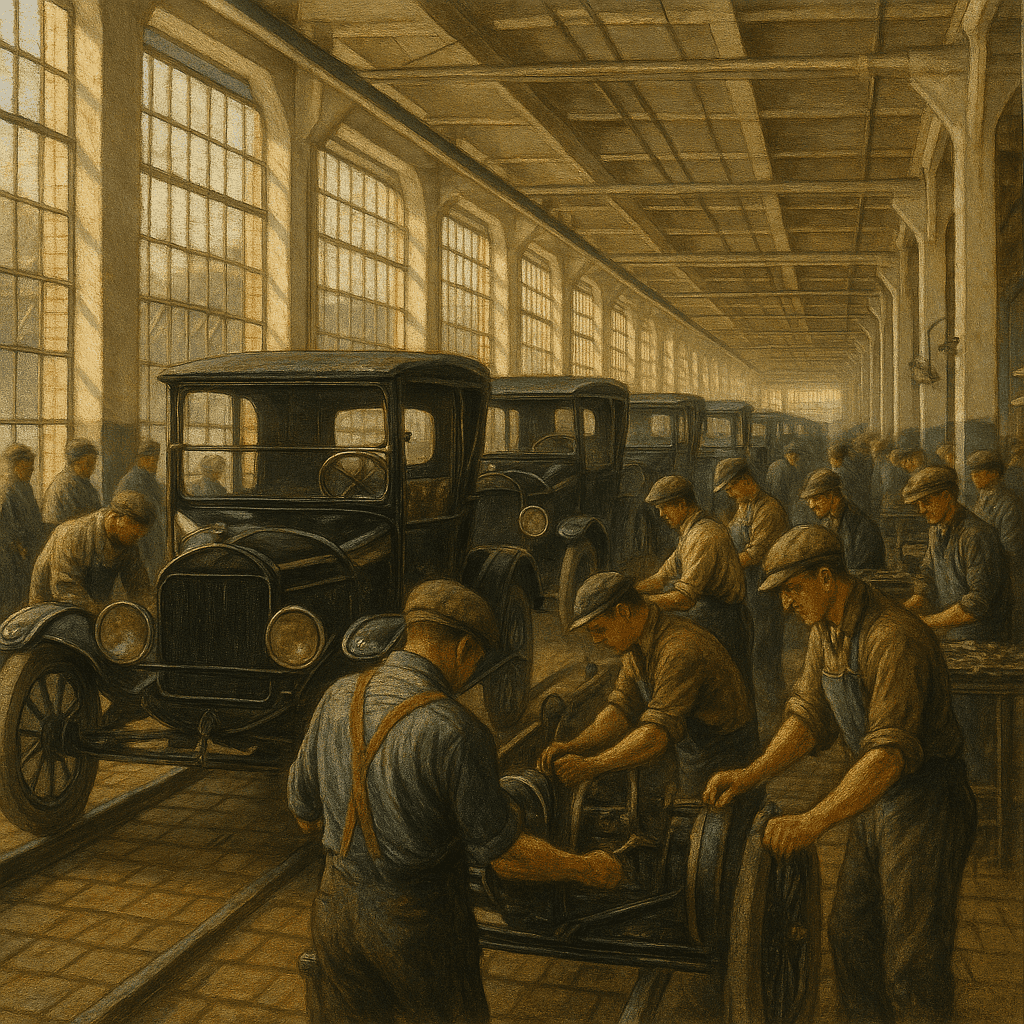
On December 1, 1913, the Ford Motor Company unveiled the world's first moving assembly line at its Highland Park plant in Michigan. Designed to mass-produce the Model T, the system revolutionized manufacturing by drastically reducing production time—from over twelve hours to just ninety minutes per car. This innovation, pioneered by Henry Ford and his team, not only transformed the automobile industry but also changed the very nature of work and production across the globe.
The assembly line embodied the spirit of the early 20th century—efficiency, standardization, and accessibility. It made the Model T affordable to the average American, ushering in an age of mobility and consumer culture. Yet it also sparked debates about labor, monotony, and mechanization. The hum of that first moving line marked the beginning of modern industry, where machines and humans worked in synchronized rhythm to build the future.
Rosa Parks and the Seat That Sparked a Movement
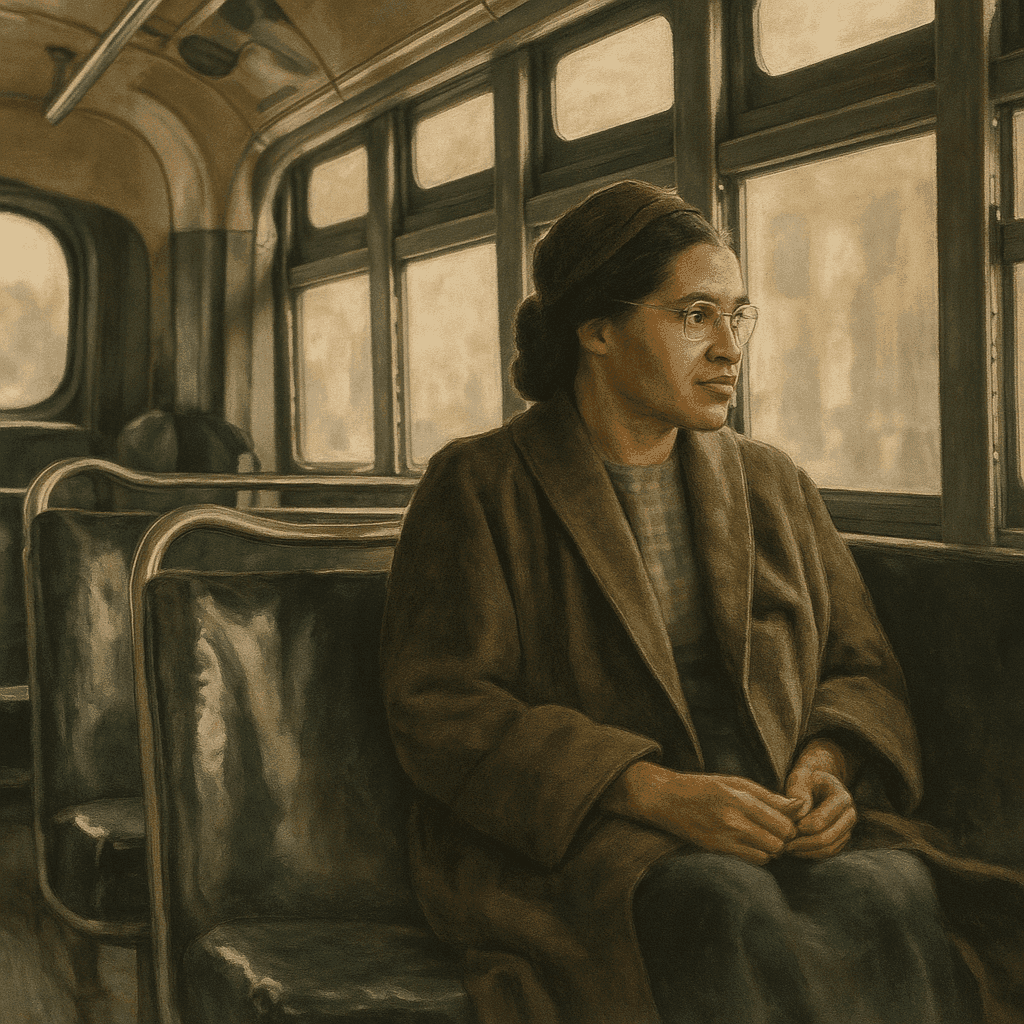
Forty-two years later, on December 1, 1955, in Montgomery, Alabama, Rosa Parks took her place on a city bus—and in history. When asked to surrender her seat to a white passenger, Parks quietly refused, embodying a strength that would ignite the modern Civil Rights Movement. Her arrest led to the Montgomery Bus Boycott, a yearlong campaign of nonviolent protest organized by community leaders, including a young Dr. Martin Luther King Jr.
Parks' act of defiance transcended a single bus ride. It challenged the moral foundation of segregation and inspired generations to demand equality and dignity. Often called "the mother of the Civil Rights Movement," her courage reminded the world that ordinary people could spark extraordinary change. That December day proved that resistance need not roar—it can begin with a single, steadfast word: "No."
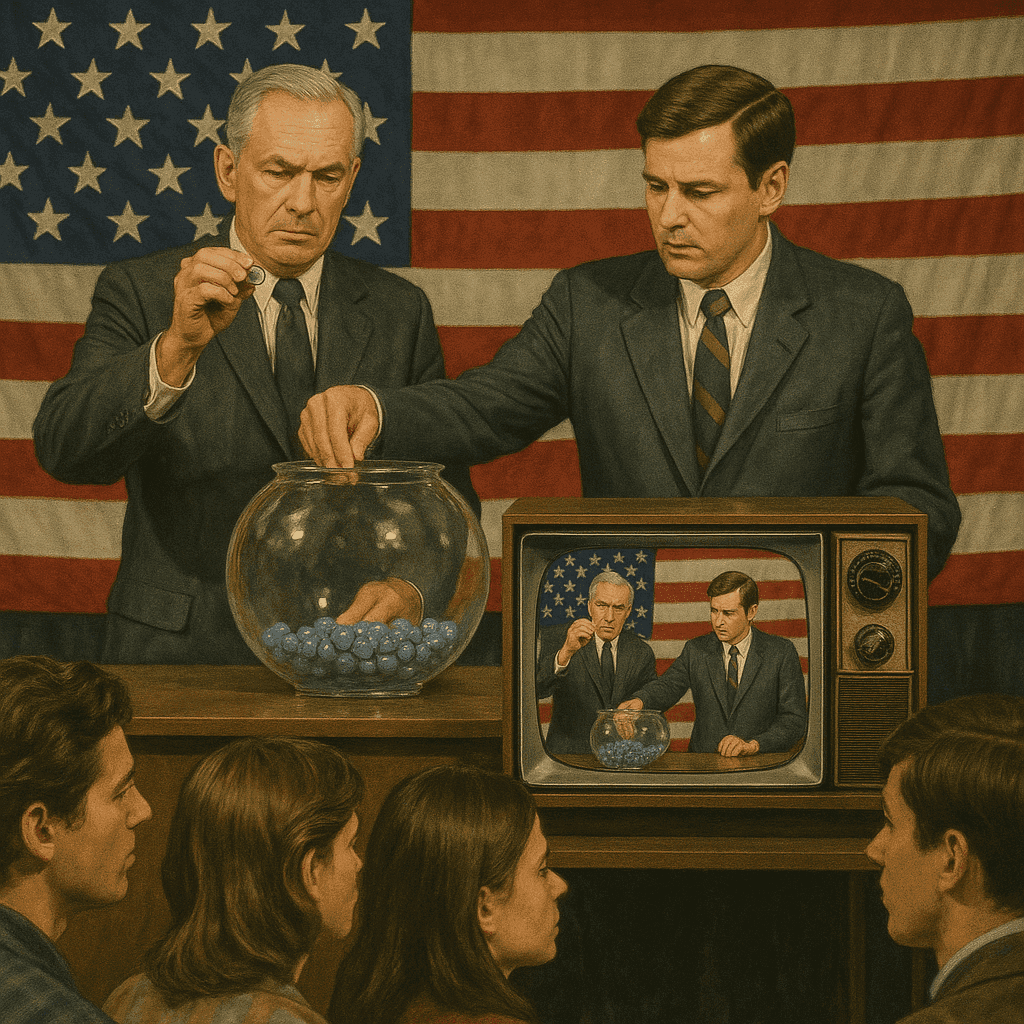
The Vietnam Draft Lottery
On December 1, 1969, as the Vietnam War raged overseas and protests filled American streets, the United States held its first draft lottery since World War II. For the first time, birthdays determined who would be called to serve, a system meant to make conscription more equitable. Televised live, the lottery drew the attention of millions of young Americans, each listening anxiously as numbers were announced.
The event marked a turning point in both the war and public opinion. While it aimed to restore fairness, it also personalized the conflict in ways that deepened divisions. Families, friendships, and futures were reshaped by chance. The lottery's legacy endures as a symbol of an era defined by duty, dissent, and the profound human cost of war.