


On April 28, 1988, what should have been a short, routine flight between Hawaiian islands turned into one of the most harrowing events in aviation history. Aloha Airlines Flight 243 suffered an explosive decompression when a massive section of the fuselage tore away mid-flight—leaving dozens of passengers exposed to open sky at 24,000 feet.
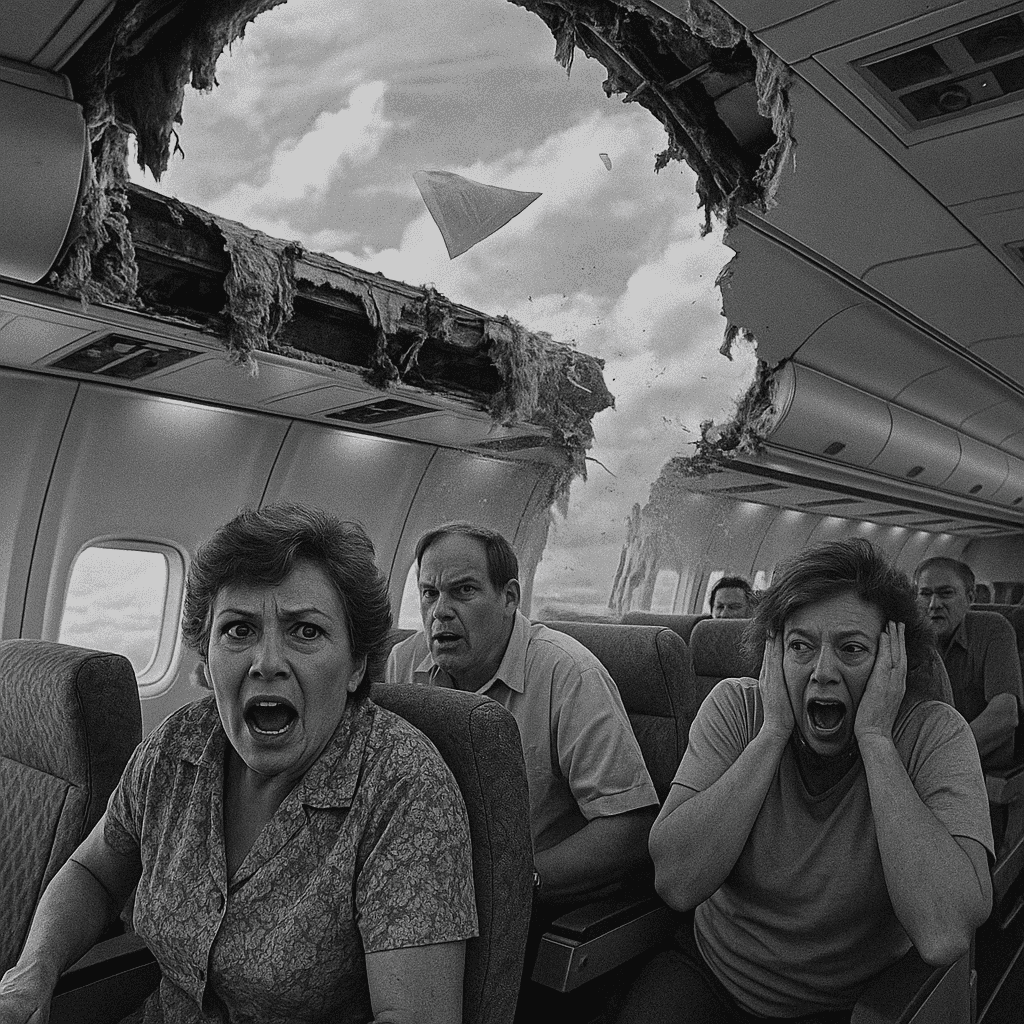
Disaster Strikes Mid-Flight
Just over 20 minutes after takeoff from Hilo, a section of the Boeing 737’s upper fuselage—roughly 18 feet long—suddenly ripped away. The decompression was immediate and violent. Flight attendant Clarabelle “C.B.” Lansing was tragically swept out of the aircraft, becoming the sole fatality. Passengers seated near the front were left fully exposed to open air, held in place only by their seatbelts.
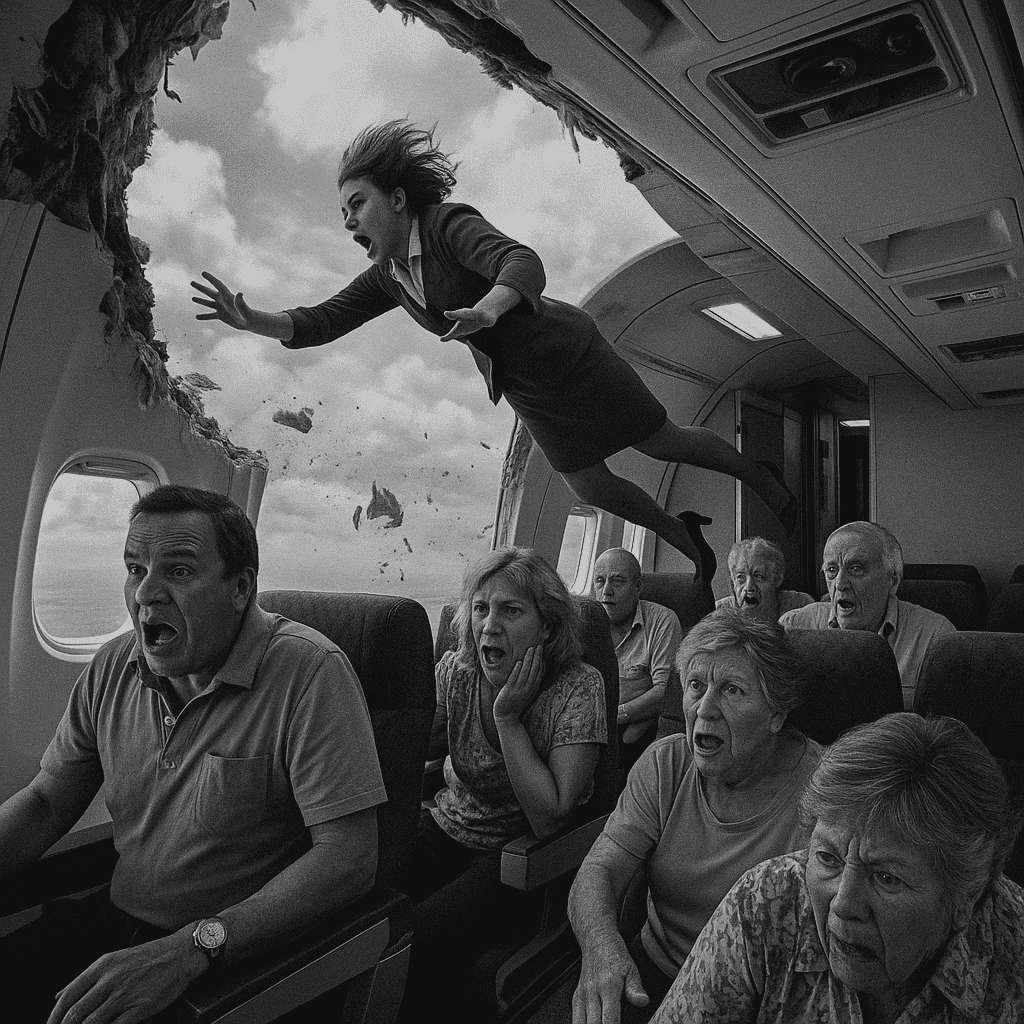
A Daring Emergency Landing
Despite the massive structural damage, Captain Robert Schornstheimer and First Officer Mimi Tompkins were able to stabilize the aircraft and make a remarkable emergency landing at Kahului Airport on Maui. Sixty-five people were injured, but all remaining 94 passengers and crew survived—a testament to the crew’s quick thinking and calm under pressure.
A Turning Point for Aviation Safety
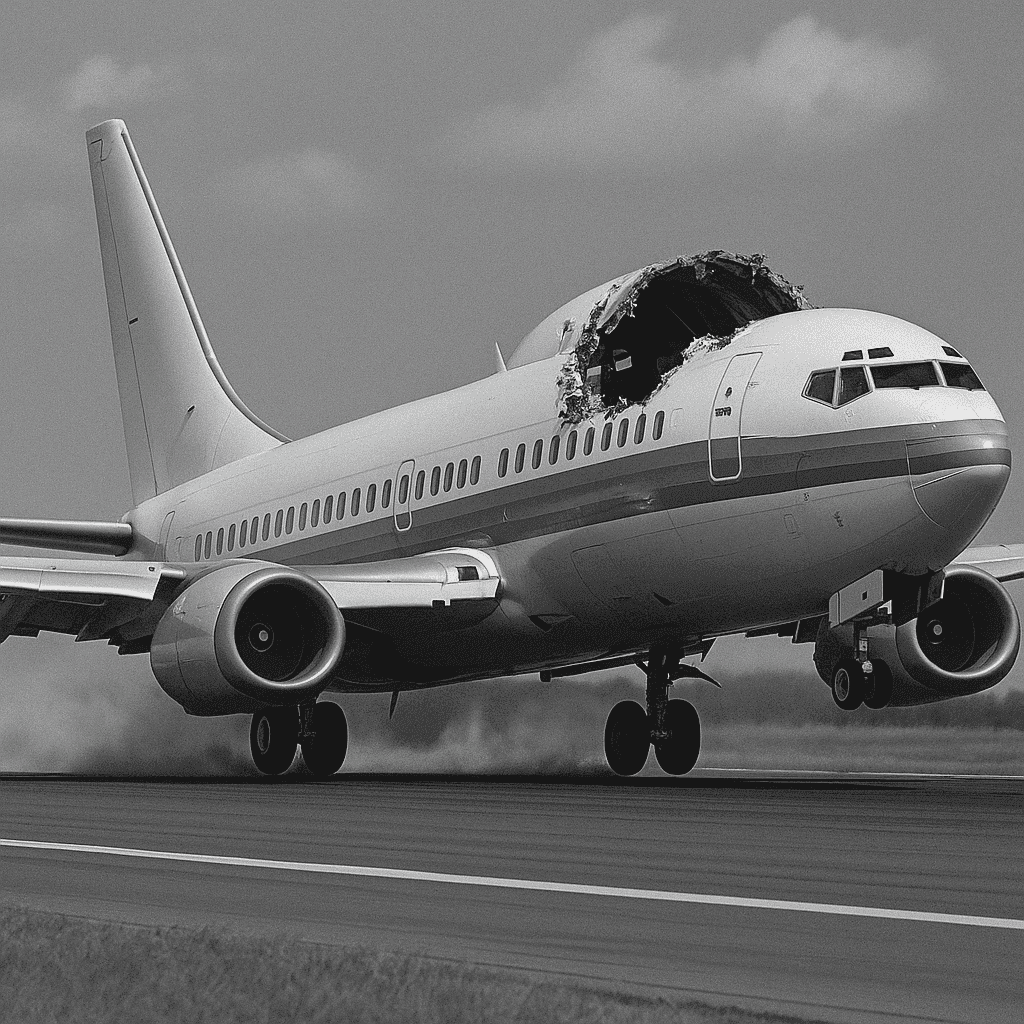
Investigators later found that metal fatigue and insufficient maintenance were to blame for the incident, prompting new regulations and stricter inspection standards for aging aircraft, especially those used on short, frequent routes. Flight 243 became a pivotal case in aviation history, remembered for both its terror and the extraordinary skill that brought it safely to the ground.