


On August 4, 1892, the quiet industrial town of Fall River, Massachusetts, was shattered by one of the most brutal and mysterious crimes in American history. Andrew Jackson Borden, a wealthy businessman, and his wife Abby Durfee Gray Borden were found brutally murdered in their family home on Second Street. Andrew's body was discovered on the living room sofa, his face nearly cleaved in two by what appeared to be a hatchet. Upstairs, Abby lay dead in the guest bedroom, her skull crushed by multiple blows from the same type of weapon.
The savage nature of the killings—Andrew struck 10 times and Abby 19 times—sent shockwaves through the community and captured national attention. What made the case even more sensational was that the prime suspect would be Andrew's own daughter, Lizzie Borden, whose alleged involvement would spark one of the most famous criminal trials in American legal history.

A Household Under Scrutiny
The Borden household was far from harmonious in the months leading up to the murders. Andrew Borden, known for his frugal ways despite his considerable wealth, had strained relationships with both his daughters, Lizzie and Emma. The sisters particularly resented their stepmother Abby, whom their father had married after their biological mother's death. Tensions had escalated over property disputes and Andrew's financial decisions, creating an atmosphere of resentment and suspicion within the family.
On the morning of the murders, only Lizzie and the family's Irish maid, Bridget Sullivan, were present in the house. Emma was visiting friends out of town, and the family's usual routines had been disrupted. These circumstances would later place Lizzie at the center of the investigation, as she became the person with both opportunity and, according to prosecutors, motive.
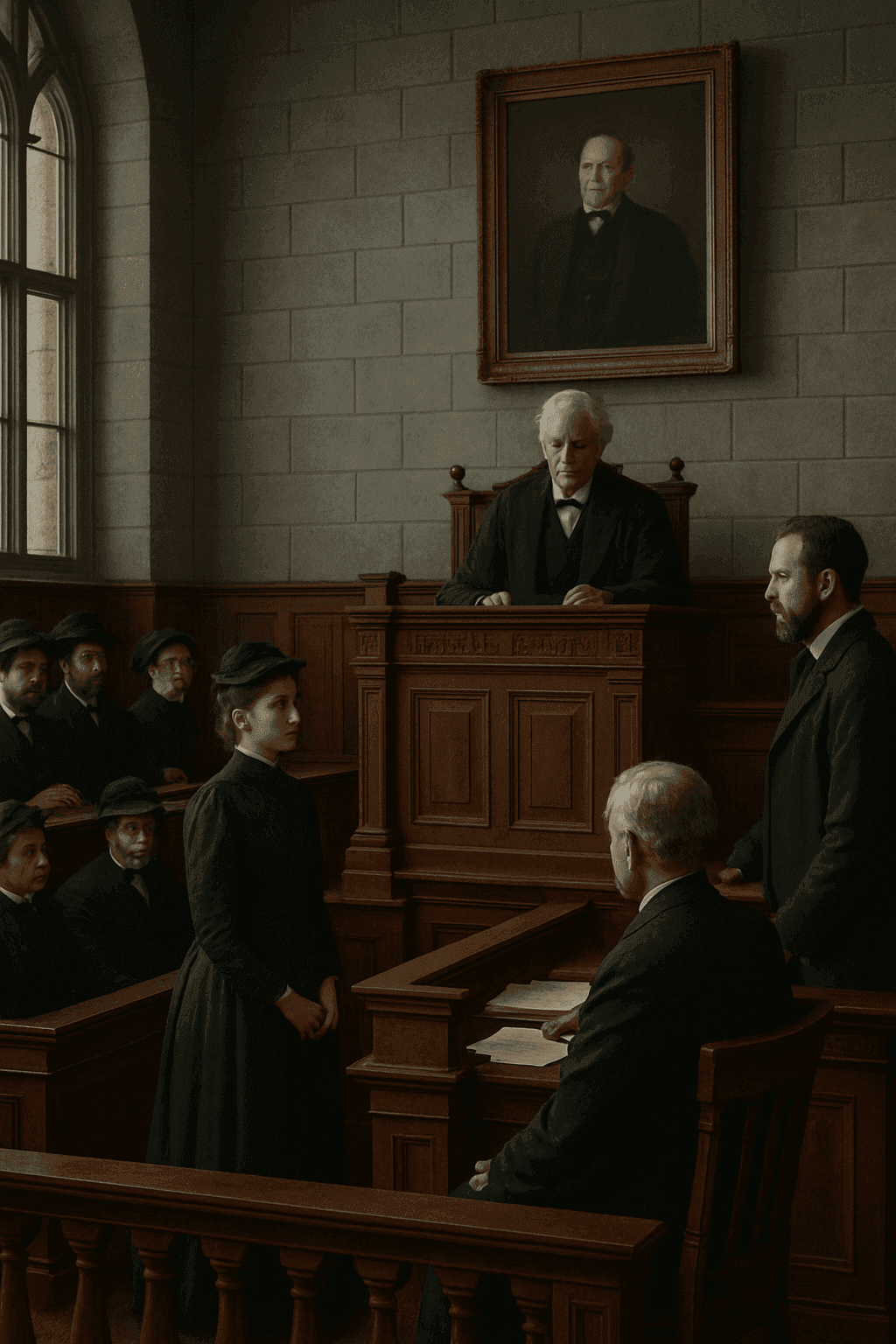
The Trial That Captivated a Nation
Lizzie Borden's arrest and subsequent trial became a media sensation that reflected the social tensions of the Gilded Age. The case challenged Victorian notions about women and violence—many found it inconceivable that a respectable, church-going spinster from a prominent family could commit such brutal acts. The prosecution struggled to present convincing physical evidence, while the defense portrayed Lizzie as a victim of circumstance and gender bias.
The trial featured conflicting witness testimonies, questions about a missing dress, and debates over Lizzie's contradictory statements to police. After deliberating for just over an hour, the all-male jury acquitted her on June 20, 1893, to widespread public celebration.

An Enduring Mystery
Despite her legal vindication, Lizzie Borden remained a figure of suspicion and fascination. She continued to live in Fall River under the assumed name Lizbeth, though she was largely ostracized by local society. The case spawned countless theories about alternative suspects, including business enemies of Andrew Borden and even the family maid, but none gained substantial credence.