


On May 7, 1994, the world breathed a sigh of relief as Edvard Munch’s iconic masterpiece, The Scream, was recovered after a dramatic theft. Stolen from the National Gallery in Oslo during the chaos of the Winter Olympics, the painting’s disappearance sent shockwaves through the art world. Its recovery not only restored a priceless cultural treasure but also underscored the vulnerability of great works of art and the ongoing challenges in protecting them.
A Theft That Shook the Art World
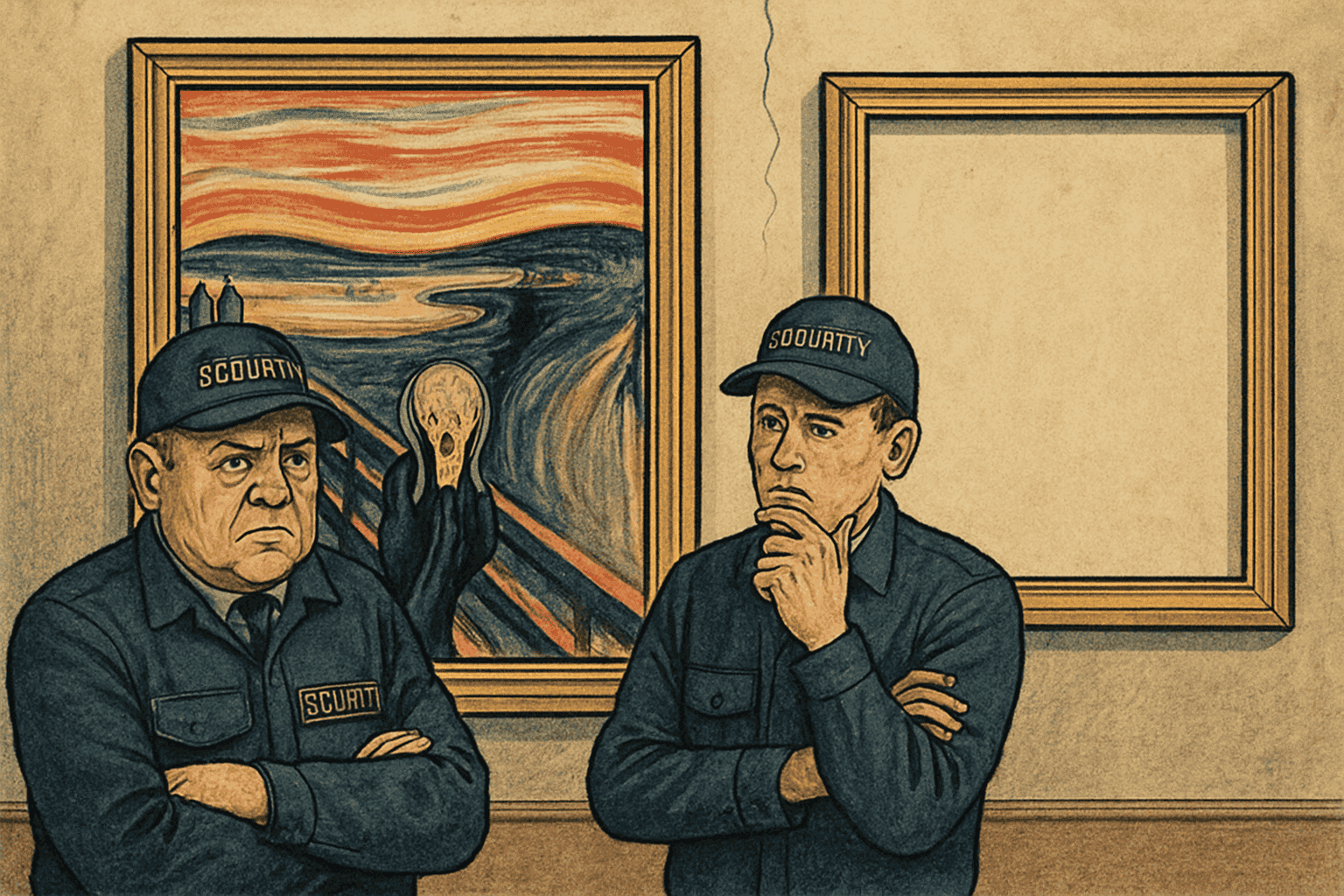
The theft of The Scream was brazen and alarming. Thieves broke into the National Gallery on February 12, 1994, taking advantage of reduced security during the Olympic festivities. They left behind a note reading, "Thanks for the poor security," a mocking jab that deepened the sense of national embarrassment. The heist raised serious concerns globally about the security measures in place to protect irreplaceable works of art. Munch's painting, already a symbol of human anxiety, now became the centerpiece of an international drama.
Authorities launched an intense investigation, utilizing international cooperation and undercover operations to trace the painting. The theft had drawn widespread media attention, putting pressure on law enforcement agencies to act swiftly. Art experts and investigators feared the piece might be irreparably damaged or sold into the black market. Fortunately, the combined efforts of Norwegian police and British detectives culminated in the recovery of The Scream on May 7, just months after its disappearance.
Symbolism Beyond the Canvas
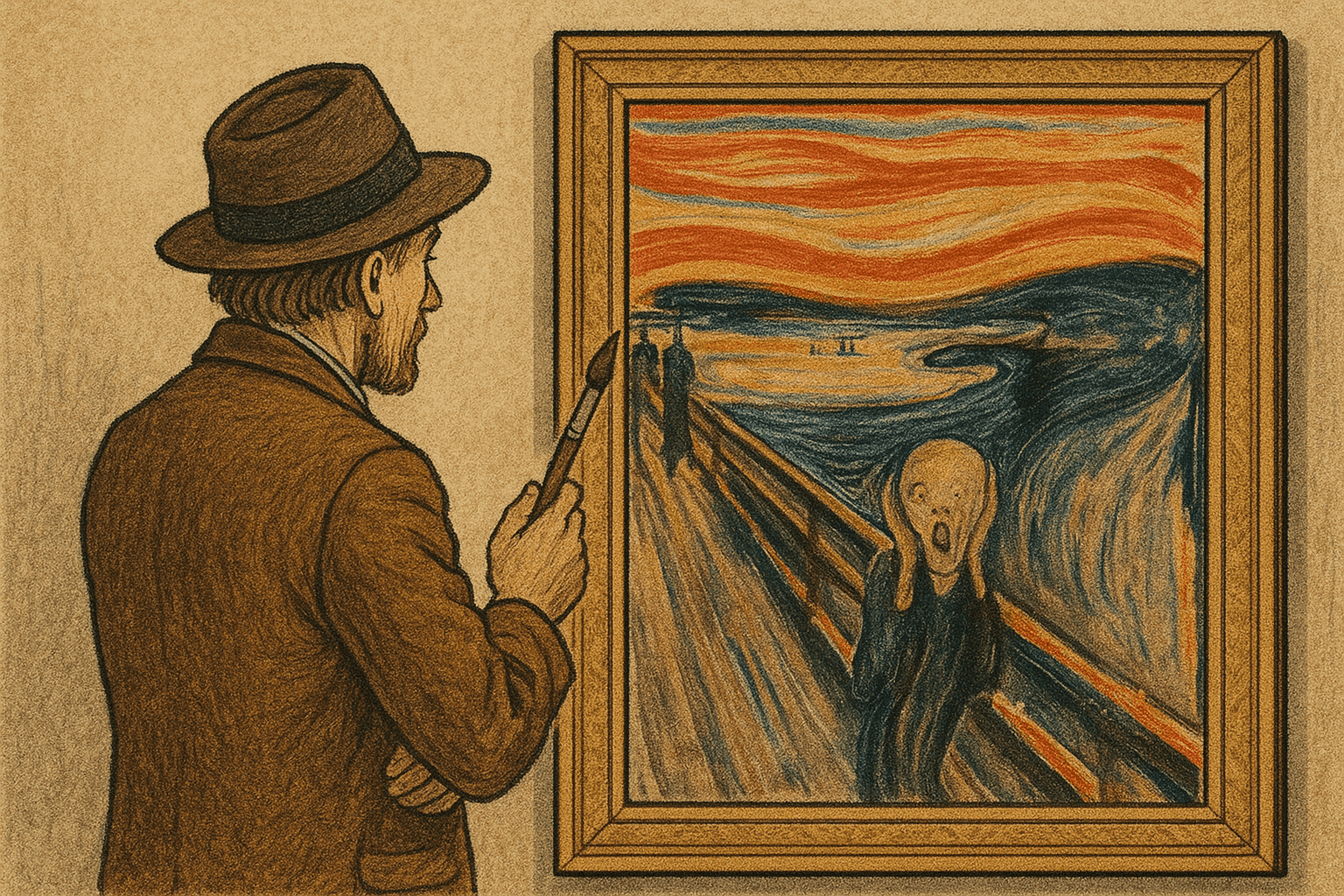
The Scream has always transcended its medium. Created in 1893, Munch’s masterpiece captures the universal experience of existential dread and human vulnerability. The painting’s swirling, chaotic background and the figure’s anguished expression have become synonymous with inner turmoil and societal anxieties. Its theft, therefore, struck a particularly sensitive nerve, highlighting not only the fragility of cultural artifacts but also their profound emotional significance.
The recovery of the painting served as a poignant reminder of the importance of cultural preservation. It reignited conversations about the value of art in expressing the human condition and the responsibility of institutions to safeguard these treasures. In many ways, the successful retrieval of The Scream mirrored the resilience of the human spirit it so hauntingly depicts, underscoring the timeless power of artistic expression.
Lasting Impacts on Art Security and Public Awareness
The theft and recovery of The Scream had lasting repercussions for museums and galleries worldwide. Institutions undertook comprehensive reviews of their security protocols, recognizing the necessity for heightened vigilance even during times of national celebration or distraction. New technologies, such as improved surveillance systems and more secure display methods, became integral to protecting priceless artworks.
Moreover, the event heightened public awareness about the importance of cultural heritage. It served as a wake-up call that even the most celebrated and revered pieces are vulnerable without constant care and attention. Today, The Scream remains one of the most recognizable images in art history, its legacy deepened by the dramatic saga of its theft and recovery. Its continued prominence reminds us that while art may capture the ephemeral emotions of humanity, its protection requires enduring vigilance.